
Nursery Essentials: The Ultimate Checklist of What You Actually Need
April 11, 2025
Preparing Home for Baby: Ultimate Renovation & Babyproofing
April 25, 2025
Office Lighting: Boosting Productivity, Safety, and Comfort
Written by : Marjan Jannati
Bright Ideas: Why Good Lighting in the Workplace Matters
Lighting might seem like a minor detail in workplace design, but it plays a huge role in productivity, mood, safety, and even long-term health. Whether you're working in an office, a warehouse, a retail store, or a home setup, the right lighting can make all the difference.
Why Lighting Matters at Work
Boosts Productivity
Proper lighting reduces eye strain and fatigue, helping employees stay focused longer. Studies show that workers in well-lit environments perform better and make fewer mistakes.
Enhances Mood & Well-Being
Natural light and warm lighting tones can improve mood, reduce stress, and support mental health. It also helps regulate circadian rhythms, keeping energy levels more stable.
Improves Safety
In industrial settings, good lighting is crucial for preventing accidents and ensuring visibility. Poor lighting can lead to slips, trips, or mishandling of equipment.Supports Ergonomics
Just like an ergonomic chair, good lighting supports the body—especially the eyes. Task lighting can help reduce awkward postures and squinting.


Types of Lighting in the Workplace
Natural Lighting
Windows, skylights, and glass doors bring in daylight, which is the best type of lighting for our biological rhythms.
Ambient Lighting
General lighting in the space—typically from overhead fixtures. It should be bright enough to navigate and work comfortably.Task Lighting
Focused lights for desks, workbenches, or checkout counters. These reduce shadows and allow for detail-oriented work.Accent or Decorative Lighting
Used in client-facing areas like lobbies or meeting rooms, this lighting creates a pleasant and professional atmosphere.Emergency Lighting
Essential for safety, emergency lights ensure visibility during power outages or evacuations.


Recommended Lighting for Different Room Types
Here’s how to approach lighting depending on the function of each space in a workplace:
Reception Area or Lobby
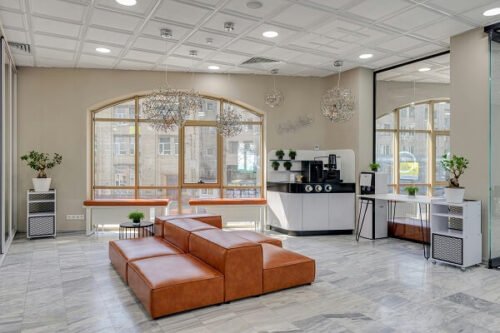
Use warm, welcoming lights with accent lighting to create a professional first impression. Decorative fixtures can add character without overwhelming brightness.Open Office Areas
Combine natural light with diffused overhead LED panels. Adjustable task lights at desks help reduce glare and eye strain.Private Offices
A mix of ambient ceiling lighting and task lamps is ideal. Consider warmer tones to make the space feel comfortable for focused work.Meeting Rooms
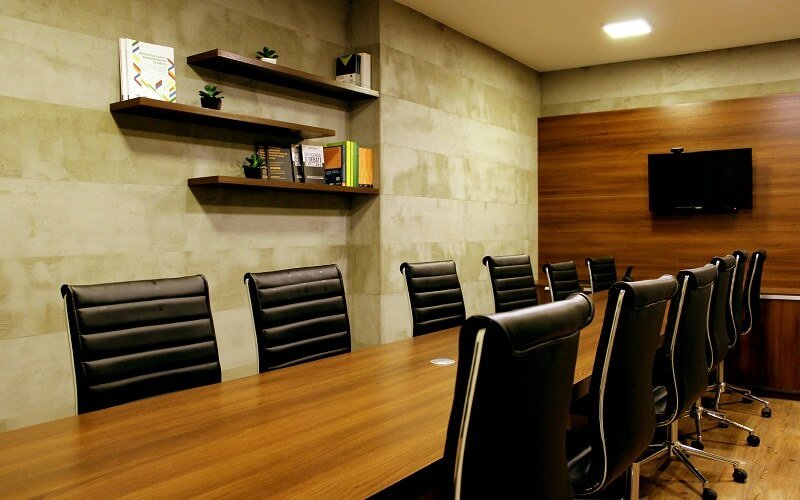
Use dimmable overhead lights so brightness can be adjusted for presentations. Add wall sconces or perimeter lighting to reduce harsh shadows.Break Rooms or Kitchens
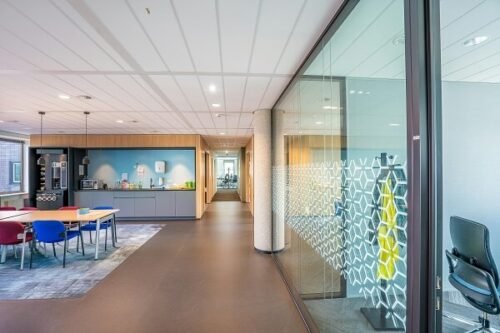
Bright but warm office lighting works best. Consider pendant lights above tables or under-cabinet lighting to improve visibility and ambiance.
Restrooms
Install uniform overhead lights with good color rendering. Vanity or mirror lighting helps improve function and appearance.Storage Rooms or File Areas
Bright, clear lighting is key here—use LED strip lights or fluorescent fixtures to ensure everything is easy to see.Workshops, Garages, or Industrial Areas
High-lumen task lighting is critical for safety and precision. Use overhead fixtures that distribute light evenly and avoid dark corners.


Tips for Better Workplace Lighting
Maximize Natural Light
Arrange desks near windows and keep blinds open when possible.Avoid Glare and Shadows
Use diffusers, adjustable lamps, or indirect office lighting to prevent screen glare and harsh shadows.Adjust for Tasks
Different tasks need different lighting. Reading, computer work, or detailed assembly all require specific light levels.
Upgrade to LED
LEDs are energy-efficient, long-lasting, and come in various brightness levels and color temperatures.Conduct Lighting Audits
Regularly evaluate the office lighting to ensure it's meeting the needs of the team.


Health and safety
Proper office lighting plays a crucial role in protecting employee health by reducing eye strain, headaches, and fatigue while supporting healthy circadian rhythms and better sleep quality. Poor or inadequate office lighting, such as overly dim environments or harsh fluorescent lights, can disrupt melatonin production, increase the risk of digital eye strain (affecting up to 74% of computer users), and even contribute to long-term issues like impaired concentration and mood disturbances. In contrast, well-designed office lighting with tunable LEDs that mimic natural daylight (cooler tones in the morning, warmer in the afternoon) promotes alertness during the day, minimizes glare, and helps regulate the body’s internal clock for improved overall well-being and productivity.
Source: U.S. Department of Energy – Lighting for Health and Wellness Recommendations in Offices
Final Thoughts
Lighting isn’t just a practical necessity, it’s a powerful design tool that shapes the way we work and feel. Whether you’re designing a new office or updating an old one, the right lighting setup can help your team stay sharp, safe, and satisfied. Contact us to get more info on our office renovation services and take advantage of our free consultation.