
DIY Series #2: Under-Stairs Storage
August 30, 2025
Timeless White Kitchens
September 10, 2025
Basement Waterproofing in Toronto: Protecting Homes from Flooding
Written by : Ati rezaei
Basement waterproofing is one of the most important investments you can make in your home. A wet or damp basement can lead to costly structural damage, mold growth, health issues, and a significant drop in property value. Whether you're dealing with occasional moisture, frequent flooding, or just want to prevent future problems, understanding basement waterproofing is essential for every homeowner with a basement.
This comprehensive guide covers how to identify basement water problems, the most effective basement waterproofing methods (interior and exterior), DIY vs professional basement waterproofing, benefits, maintenance tips, and answers to frequently asked questions. By the end, you'll know exactly how to keep your basement dry, healthy, and usable.
Why Basement Waterproofing Matters: Protect Your Home and Health
Water in the basement isn't just an inconvenience, it's a serious threat. Hydrostatic pressure from groundwater pushes moisture through foundation walls and floors, leading to leaks, cracks, and flooding. Without proper basement waterproofing solutions, you risk:
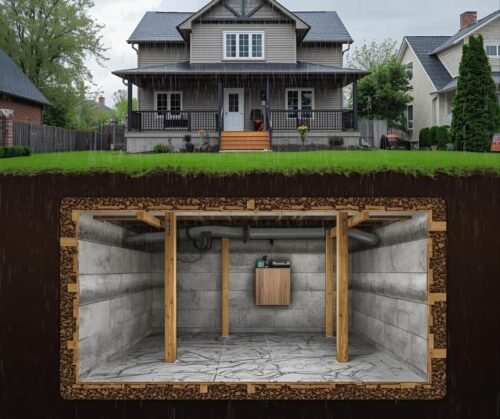
- Structural damage - Water weakens concrete, causes foundation cracks, and can lead to bowing walls or settling.
- Mold and mildew growth - Damp environments promote black mold, which affects indoor air quality and can cause respiratory issues.
- Reduced home value - A wet basement can lower your property value by 10-25% and scare off buyers.
- Higher energy bills - Excess humidity forces your HVAC system to work harder.
- Pest infestations - Moisture attracts insects and rodents.
Professional basement waterproofing prevents these issues, turns your basement into usable living space (home office, gym, or family room), and provides peace of mind during heavy rains or snowmelt.
Common Signs You Need Basement Waterproofing
Many homeowners ignore early warning signs until major damage occurs. Here are the most common indicators of basement water problems:
- Musty odors or high humidity
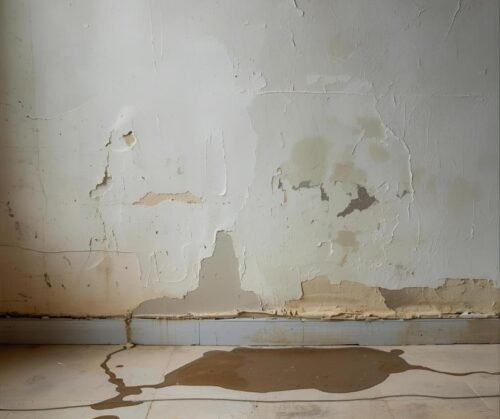
- Water stains or discoloration on walls/floors
- Efflorescence (white, powdery deposits on concrete)
- Peeling paint or bubbling wallpaper
- Visible mold or mildew
- Damp or wet spots on carpet/drywall
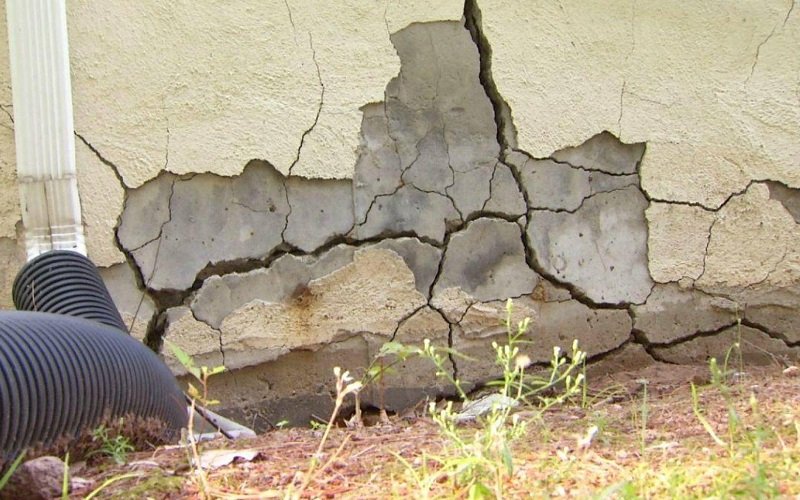
- Cracks in foundation walls or floor
- Standing water or puddles after rain
- Bowing or leaning walls
- Insect infestations or wood rot
If you notice any of these signs of a wet basement, act quickly. Early intervention with basement leak repair can save thousands in repairs.

Causes of Basement Water Intrusion
Understanding the source helps choose the right waterproofing solutions:
- Hydrostatic pressure from groundwater
- Poor exterior drainage (clogged gutters, improper grading)
- Foundation cracks or porous concrete
- High water table or heavy rainfall
- Leaky windows, pipes, or sump pumps
- Condensation from humidity
A professional inspection identifies the root cause for the most effective fix.
Basement Waterproofing Methods: Interior vs Exterior Solutions
There are two main approaches: interior basement waterproofing (manages water that's already entered) and exterior basement waterproofing (prevents water from entering). The best results often combine both.
Interior Basement Waterproofing Methods
Interior solutions are less invasive, faster, and more affordable. Common techniques include:
- Waterproof sealants and coatings — Applied to walls/floors to block moisture (great for minor dampness).
- Interior French drains or drainage channels — Collect water along the perimeter and direct it to a sump pump.
- Sump pump installation — Pumps water out automatically; battery backups recommended.
- Crack injections — Epoxy or polyurethane fills foundation cracks.
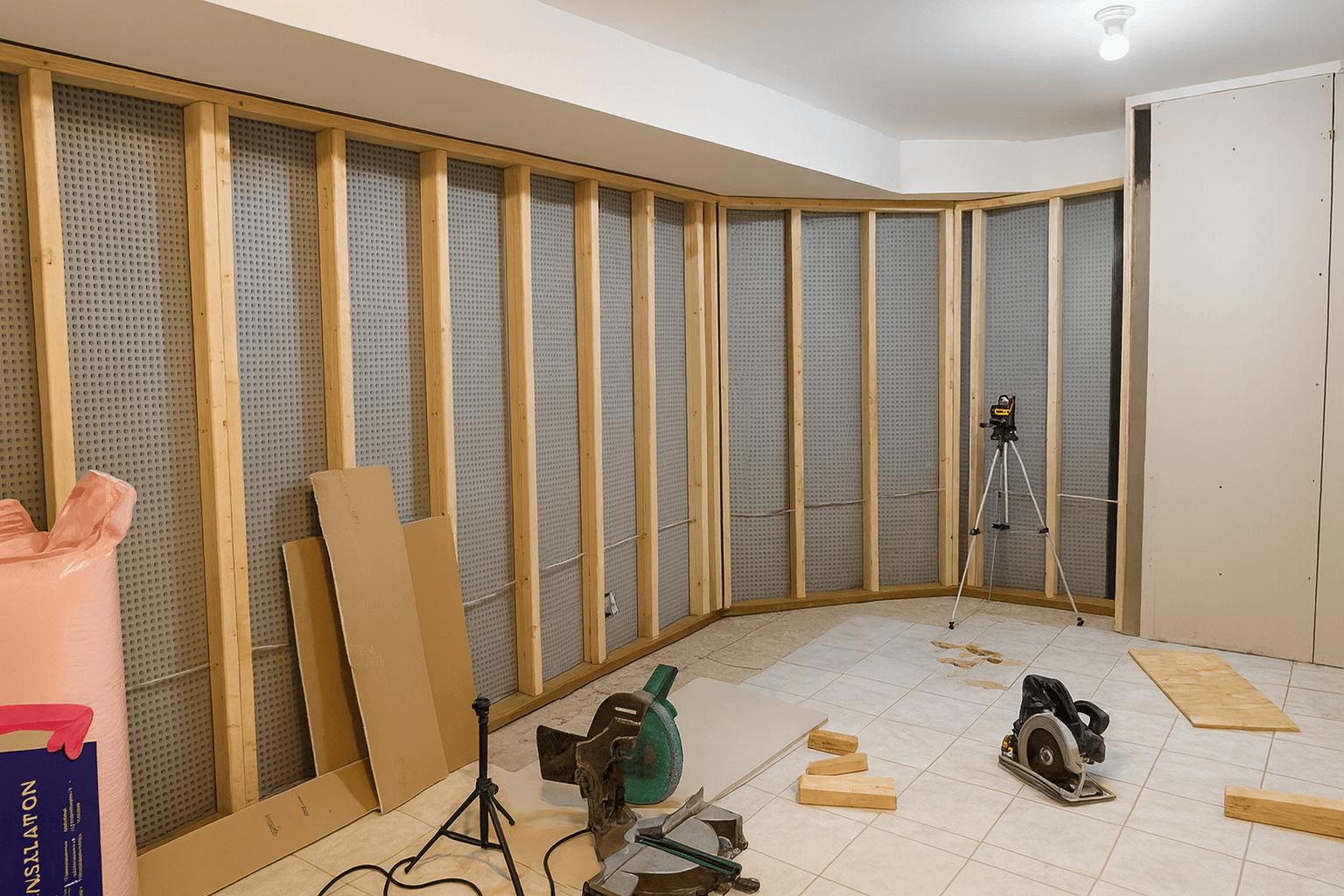
- Vapor barriers — Plastic sheeting on walls to stop humidity.
- Dehumidifiers — Control moisture levels.
Exterior Basement Waterproofing Methods
Exterior work stops water at the source and is the most permanent solution:
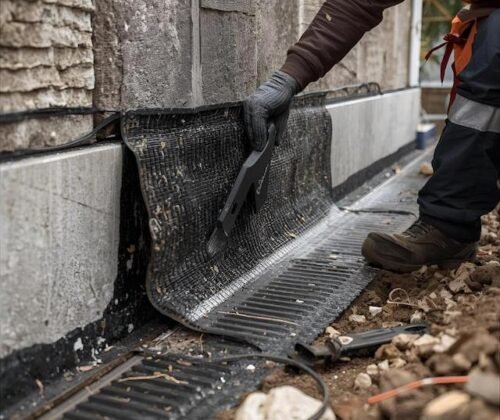
- Excavation and waterproof membranes — Dig around foundation, apply rubberized or polymer coatings.
- Exterior French drains/weeping tiles — Redirect groundwater away.
- Window wells and covers — Prevent leaks around basement windows.
- Grading and downspout extensions — Ensure water flows away from the house.
Many homeowners combine interior drainage with exterior membranes for complete protection.
DIY Basement Waterproofing vs Hiring a Professional
DIY Basement Waterproofing
Suitable for minor issues like small cracks or condensation:
- Seal cracks with hydraulic cement
- Apply waterproof paint/sealant
- Install a basic dehumidifier or sump pump
Pros: Saves money upfront, quick for small jobs. Cons: Temporary fixes, risk of improper installation, no warranty, potential for bigger problems (e.g., trapped moisture causing rot).
Professional Basement Waterproofing
Recommended for most homes, especially with warranties (often lifetime transferable):
- Expert diagnosis and customized systems
- Proper installation of drains, pumps, and membranes
- Compliance with building codes
Pros: Permanent results, warranties, peace of mind. Cons: Higher initial cost.
Tip: For anything beyond minor sealing, hire a pro. DIY often costs more long-term due to repeated fixes.

Benefits of Professional Basement Waterproofing
- Prevents expensive foundation repairs (which can exceed $20,000)
- Improves indoor air quality and health
- Increases usable square footage
- Boosts home resale value
- Lowers insurance premiums in some cases
- Lifetime warranties available

Maintenance Tips to Keep Your Basement Dry
After waterproofing:
- Clean gutters and extend downspouts 5–10 feet from foundation
- Grade soil away from house (6-inch drop over 10 feet)
- Test sump pump monthly
- Monitor humidity (keep under 50% with dehumidifier)
- Inspect for cracks annually
- Install battery backup for power outages
Frequently Asked Questions About Basement Waterproofing
How long does basement waterproofing last? Professional exterior systems: 20–lifetime; interior: 10–20 years with maintenance.
Is basement waterproofing worth it? Absolutely—prevents thousands in damage and adds home value.
Can I waterproof a finished basement? Yes, but may require removing drywall; pros minimize disruption.
Does homeowners insurance cover basement waterproofing? Usually not preventive work, but may cover sudden damage.
What's the best time for basement waterproofing? Dry seasons (spring/summer) for exterior work.

Keep Your Basement Dry for Life
Basement waterproofing isn't a luxury, it's essential protection for your home, family, and investment. Whether you choose interior basement waterproofing, exterior solutions, or a combination, addressing water issues early saves money and stress.
Don't wait for the next big storm. Contact a professional inspection today and get a customized plan for a permanently dry basement. Your home deserves it!
Ready to say goodbye to a wet basement? Contact us for a free estimate and start enjoying a healthier, more valuable home.
📞 Call us at 416-822-2190
✉️ Email: quote@renomod.ca
👉 Book Your Free Consultation