
Why Every Canadian Home Needs an Automatic Porch Light
October 30, 2025
Basement Separate Entrance in Toronto: Cost & How-To Guide 2026
December 2, 2025
What is a Legal Basement in Ontario? Complete Guide to Regulations and Requirements
Written by : Marjan Jannati
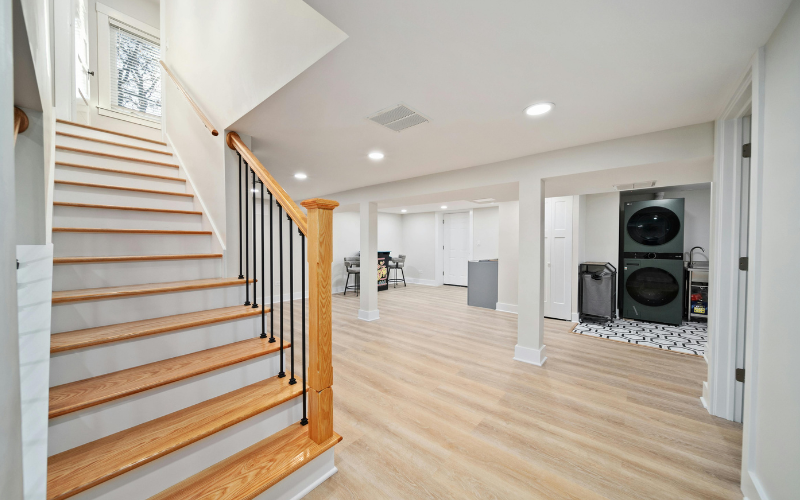
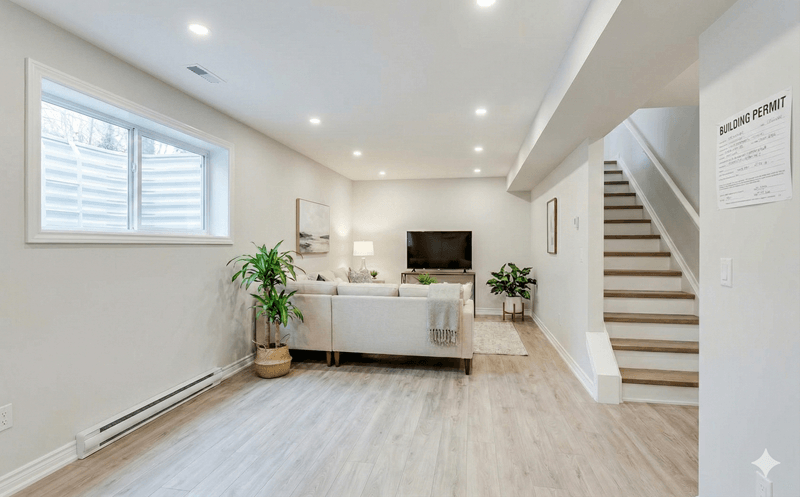
In today's competitive Ontario housing market, many homeowners are turning to their basements for extra living space, a home office, or, most commonly, a rental unit to help offset mortgage costs. But not every finished basement qualifies as a "legal" one. So, what is a legal basement in Ontario? Simply put, it's a below-ground living space that fully complies with the Ontario Building Code (OBC), the Ontario Fire Code, local zoning bylaws, and other provincial regulations. This ensures safety, habitability, and legality, especially if you're renting it out as a basement apartment (often called a "second dwelling unit" or secondary suite).
Creating a legal basement isn't just about avoiding fines, up to $50,000 for corporations or $25,000 for individuals, it can boost your property value, make insurance coverage reliable, and provide peace of mind for tenants. In this comprehensive guide, we'll break down everything you need to know based on current Ontario regulations (as of 2025), including step-by-step legal basement requirements, costs, and FAQs. Whether you're a homeowner, landlord, or renter, this post has you covered.
Why Should You Make Your Basement Legal?
Before diving into the legal basement regulations, consider the benefits:
- Safety First: Legal basements meet fire, structural, and health standards, protecting occupants from hazards like poor ventilation or escape routes.
- Financial Perks: A legal rental unit can generate $1,500 – $2,500/month in the GTA, while increasing resale value by 10–20%.
- Legal Protection: Avoid eviction orders, stop-work notices, or disputes under the Residential Tenancies Act (RTA).
- Insurance and Resale: Unlegalized basements can void policies or scare off buyers.
Non-compliance? Expect inspections from your municipality, potential shutdowns, and retrofitting costs that could exceed $100,000.
Key Ontario Legal Basement Regulations
Ontario's rules stem from the OBC (Division B, Part 9 for residential buildings), Fire Code, and municipal bylaws shows what is a legal basement. If your home is under 5 years old, it must meet new-build standards; older homes follow retrofit rules. Here's what makes a basement "legal":
1. Zoning and Location in legal basement requirements
- Zoning Approval: Your property must be in a residential zone allowing secondary units (e.g., R1–R4 in most GTA areas). Check via your city's planning department, e.g., Toronto's Zoning By-law 569-2013 permits them city-wide.
- Pro Tip: Contact your local building department early. In cities like Mississauga, additional parking (1 spot per unit) may be required when it comes to what is a legal basement.
2. Ceiling Height and Space Standards
- Minimum Height: 1.95 m (6'4¾") over the entire required floor area, including paths to exits. Beams/ducts can dip to 1.8 m max. If too low, consider underpinning (lowering the floor) at $200–$400/sq ft.
- Floor Area:
- Bachelor: 13.5 m² (145 sq ft) min.
- 1-bedroom: 30 m² (323 sq ft) min.
- +10 m² per extra bedroom.
- Room Sizes: Bedrooms ≥7 m²; living/dining combined ≥13.5 m².
| Unit Type | Min. Floor Area | Notes |
|---|---|---|
| Bachelor | 13.5 m² (145 sq ft) | Kitchen/living combined |
| 1-Bedroom | 30 m² (323 sq ft) | Separate bedroom required |
| 2-Bedroom | 40 m² (430 sq ft) | +10 m² per additional bed |
3. Windows and Natural Light/Ventilation
Egress Windows – Required in Every Bedroom
Must meet all of the following:
Openable area: ≥0.35 m² (3.77 sq ft) of clear opening
No dimension smaller than 380 mm
Sill height: ≤1.0 m above the floor (some municipalities allow 1.22 m with a step)
Must open without keys or tools
- Total Glazing: 10% of floor area for light; 4% for ventilation (or mechanical equivalent).
- Why It Matters: Prevents mold and ensures fresh air, critical in damp basements.
4. Fire Safety and Egress
- Exits: Separate exterior entrance (or shared with fire-rated separation). At least two exits: one direct to outside, plus an interior stair with 30-min fire barrier (e.g., 5/8" drywall).
- Doors: Swing outward, self-closing, fire-rated (20–45 min).
- Detectors: Smoke alarms in every room/bedroom; CO detectors near sleeping areas and fuel appliances. Interconnected system required.
- Fire Separation: Walls/ceilings between units rated for 30–60 min fire resistance.

5. Electrical, Plumbing, and Mechanical Systems
- Electrical: ESA-certified; outlets every 2 m, GFCI in wet areas. Lighting: ≥200 lux in living spaces.
- Plumbing: Separate metering if rented(optional); hot/cold water, drains per OBC Part 7. Kitchen/bath required for rentals. Backwater valves on sanitary drains (often required in Toronto)
- HVAC: Independent heating (≥21°C), mechanical ventilation (e.g., HRV for air changes).Adequate ventilation (natural or mechanical).
- insulation: basement insulation must comply with OBC SB-12 energy efficiency requirements.
Depending on the selected compliance package, basement walls may use:
R-10 continuous insulation, or
R-12 continuous + R-8 cavity, or
R-5 continuous + R-20 cavity, or
R-20 cavity-only insulation (depending on assembly).
Ceiling insulation (R-31–R-32) applies only to unheated basements or crawl spaces, not to heated basement apartments.
6. Structural and Moisture Control
structural Changes
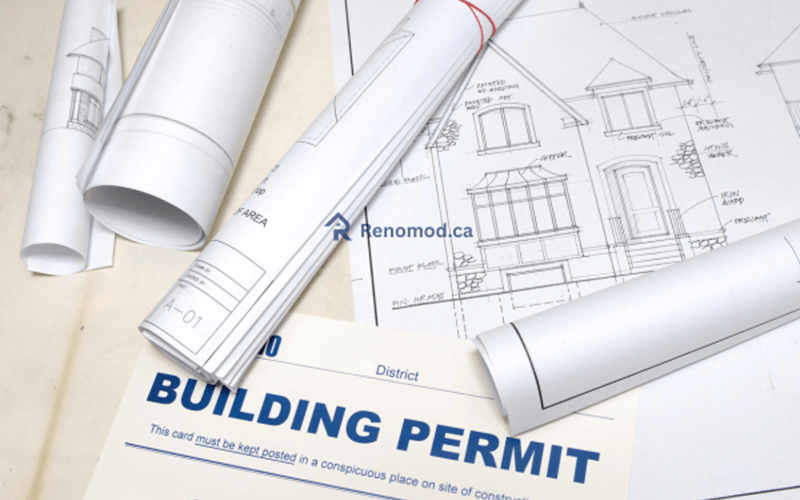
Removing walls, altering beams, adding windows or separate entrance requires:
Engineer or BCIN-designer drawings
Building permit approval
Moisture Control
A legal basement must have:
Proper foundation drainage
Working sump pump (where required)
Moisture barrier and insulation
Vapor barrier on the warm side
Failing moisture control is the #1 cause of failed inspections.
Step-by-Step: How to Create a Legal Basement in Ontario?
- Assess Feasibility: Hire an BCIN DESIGNER OR ENGINEER ($400–$1,000) to check zoning,Ceiling height,Egress window potential,Fire separation conditions and .....
- Design Plans: Engage an BCIN DESIGNER/ENGINEER familiar with OBC ($2,000–$5,000).
- Apply for Permits: Submit to municipal building dept. (fees $500–$2,000; 4–12 weeks review). Include zoning approval.
- Renovate: Use licensed contractors. Expect inspections at foundation, framing, electrical, and final stages.
- Inspections and Certification:
- Building: Final OBC sign-off.
- Fire: Municipal fire dept. certificate.
- Electrical: ESA ($150–$300).
- Gas: TSSA if applicable.
- Register the Unit: Notify municipality for rental license (e.g., Toronto's $0–$500 fee). Update insurance.
- Rent It Out: Use standard lease; disclose docs to tenants (e.g., certificates).
Total Cost Estimate: $50,000–$150,000 for a 700 sq ft unit, depending on scope (e.g., +$30,000 for underpinning).
Common Challenges and Solutions
- Low Ceilings: Underpin or declare non-habitable.
- No Separate Entrance: Add exterior door ($5,000–$10,000).
- Older Homes: Retrofit exemptions apply if pre-1995, but fire/egress upgrades still needed.
- Municipal Variations: Toronto is lenient; rural areas stricter on parking.
FAQs: Most common questions about what is a legal basement
Q: Can I rent out my basement without permits?
A: No, it's illegal and risky. Tenants have RTA rights regardless, but you face fines/eviction orders.
Q: What's the difference between a legal basement and a finished one?
A:finished basement is cosmetic. A legal basement meets zoning, building, fire, egress, and safety requirements.
Q: How long does approval take?
A: 1–3 months for permits; 2–5 months total project.
Q: Do I need separate utilities?
A: Not always, but separate metering for hydro/water is recommended for rentals.

Ready to Build or Legalize Your Basement the Right Way?
Now that you know what is a legal basement, Don’t leave thousands of dollars in rental income (or your family’s safety) to chance. Whether you’re starting from scratch, fixing an illegal suite, or just want to know if your current basement passes Ontario rules, we’re here to help. Our team specializes in legal basement apartments across the GTA and Ontario, and egress windows to fast-tracking permits in Toronto, Mississauga, Markham, Richmond Hill, Vaughan, Oakville, Burlington, Milton, Pickering, Ajax, Whitby, Oshawa, Newmarket, Aurora, King City, East Gwillimbury, Georgina, Halton Hills, and other Greater Toronto and Hamilton Area municipalities.
Take Action → Get a free, no-obligation Consultation where we’ll review your property, explain exactly what’s required in your municipality, and give you a clear cost breakdown before you commit to anything.
Disclaimer: The information on this page is based on the current laws and bylaws of the Ontario Building Code. These regulations may change over time. Contractors, homeowners, and other readers should conduct their own research and consult the relevant authorities or qualified professionals before making any decisions or performing any calculations. This webpage should not be relied upon as a sole source of information.