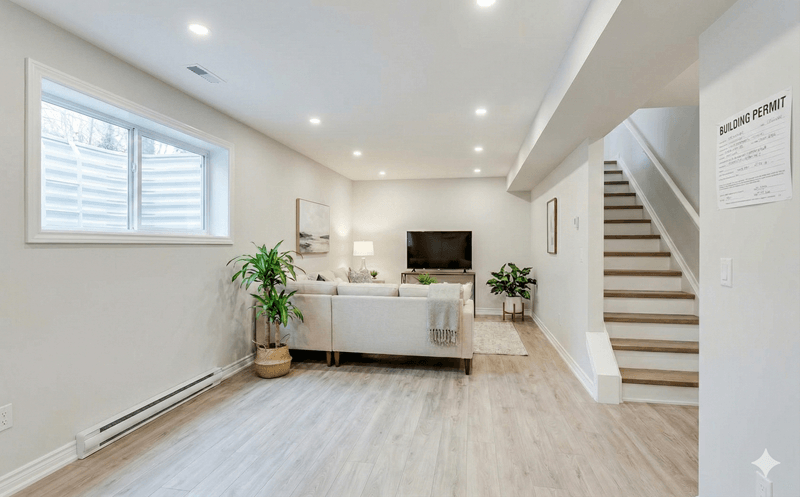
Legal Basement Report
verify basement apartment legality
Buying a Toronto home with a basement apartment? don't skip this report it can save you 50,000.
What Is a Legal Basement Report?
A legal basement report is a professional assessment that evaluates whether a basement apartment or finished basement complies with:
Ontario Building Code requirements
City of Toronto zoning and bylaws
Fire safety regulations
Minimum ceiling height and egress standards
Electrical and plumbing code requirements
It typically has 4 sections:
- Zoning review
- Legal basement consultation
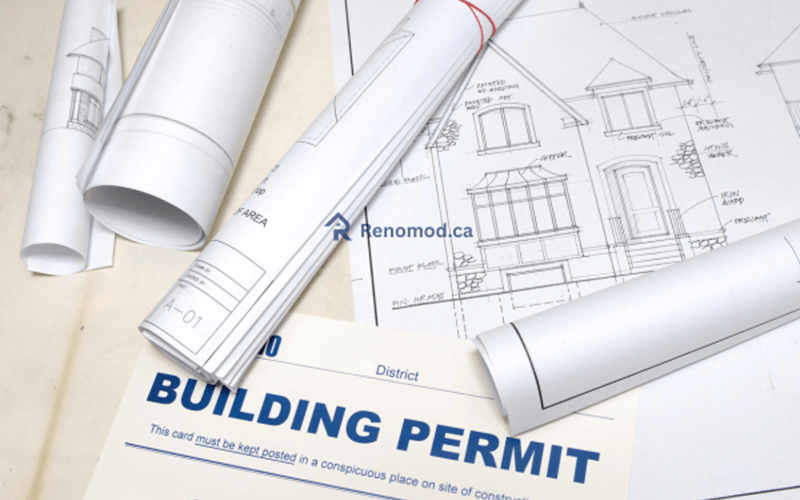
- 3D floor plan layout
- Cost breakdown for conversion
In Toronto, second suites are allowed citywide, but only if they meet specific safety and zoning standards.
You can review the City’s official framework for second suites on the City of Toronto website.
Why You Should Verify a Basement Before You Buy?
Confirm the basement apartment is legally permitted as a second suite in Toronto
Avoid inheriting unpermitted renovations or open building violations
Reduce the risk of City enforcement, inspections, or work orders
Protect projected rental income used for mortgage qualification
Avoid insurance coverage issues tied to unapproved secondary suites
Identify structural or layout limitations that may prevent legalization
Strengthen your negotiation position during the conditional period
Make an informed decision based on real compliance risks, not assumptions
🛑Stop searching
Only for $149
Get your Legal Basement Report
Fill out the Form and our team will contact you within 24 hours.
You are only steps away from your dream Basement.
Frequently asked questions
You cannot rely on MLS descriptions or seller statements alone. A legal second suite must comply with zoning, the Ontario Building Code, fire safety rules, and must have proper permits and inspections. The safest way to assess this before purchase is through a focused compliance review and permit verification.
Yes, second suites are permitted across Toronto, but only if they meet specific safety and building requirements. Not every existing basement apartment qualifies. Age of the renovation does not automatically make it legal.
If you rent it out and the unit is reported or inspected and found non compliant, you may be required to complete upgrades, obtain permits, remove the kitchen, or stop renting the unit until issues are corrected. Costs can vary widely depending on ceiling height, fire separation, and structural limitations.
Sometimes. It depends on ceiling height, layout, structural conditions, zoning, and the feasibility of meeting fire separation and egress requirements. In some homes, upgrades are realistic. In others, physical limitations make full compliance very expensive or impractical.
No. A general home inspection focuses on condition, not full code compliance or zoning confirmation. It does not replace a second suite compliance review or permit search.
Ideally during the conditional period of your offer, before you waive conditions. This gives you time to understand risks, estimate potential upgrade costs, and make an informed decision.
If you are considering a home with a basement apartment in Toronto, a pre purchase basement legality review can help you understand the real risks, upgrade requirements, and whether the unit aligns with your plans.