
Make Your Basement Accessible, Safe, and Comfortable
Basement Accessibility Renovations in Toronto
We create spaces that promote independence, ease of use, and peace of mind.
🛡 Fully Licensed and Insured
⭐ Satisfaction Guaranteed
⚡ Fast & Reliable Service
💬 Free Consultation & Quote
📍 Serving GTA area
Why Basement Accessibility Matters
Basements often have unique challenges, narrow stairs, low ceilings, and limited natural light, but with the right planning, they can become fully functional, accessible living areas. Creating an accessible basement isn’t just about compliance; it’s about independence, safety, and comfort for every member of the household.

Enhanced Independence
Empowering individuals to navigate their homes confidently.

Improved Safety
Reducing risks with thoughtful designs and safety features.
Comfort for Caregivers
Creating a supportive environment for those who assist loved ones.

Increased Property Value
Adding accessibility features enhances the home's appeal and resale potential.
Live your full life
Transform your basement into a space that’s easy to navigate, safe, and welcoming for everyone. Whether you’re planning an in-law suite, a rental apartment, or a comfortable living space for someone with mobility challenges, our team specializes in basement accessibility renovations that combine practicality with style.
Key Accessibility Features for Seniors and Disabled Individuals
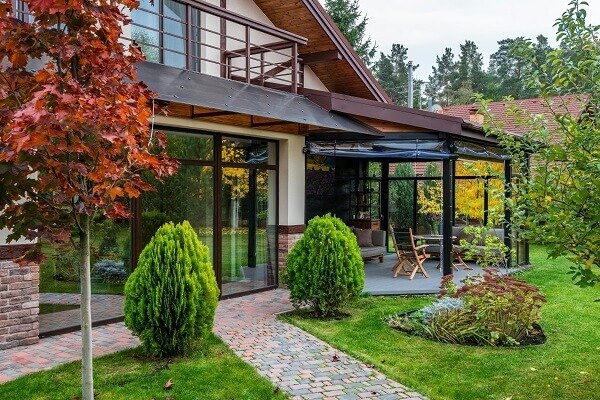
Entrance Modifications
-
Ramps or low-rise steps for wheelchair and walker access.
-
Automatic or wider doors to accommodate mobility devices.
-
Lever-style door handles for easy opening.
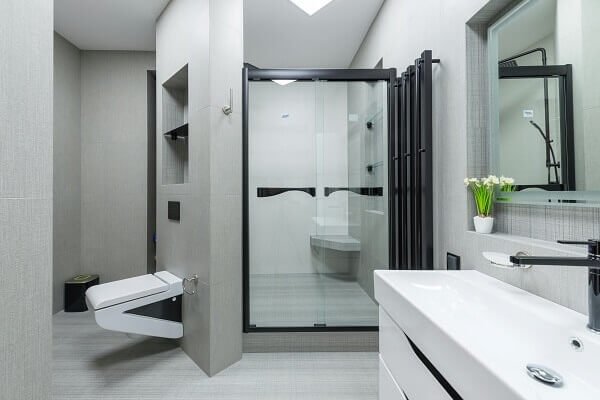
Bathroom Upgrades
-
Walk-in tubs or curbless showers with grab bars.
-
Anti-slip flooring for added safety.
-
Height-adjustable vanities and toilets for convenience.
-
Motion-sensor lighting to aid nighttime navigation.
-
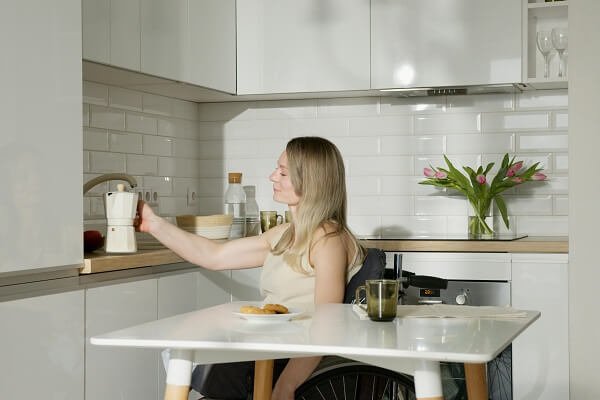
Lowered countertops and pull-out shelves for easy access.
-
Touchless faucets for improved hygiene.
-
Accessible storage solutions for frequently used items.
-
Cooktops with front-facing controls to minimize reaching.
Living Spaces
-
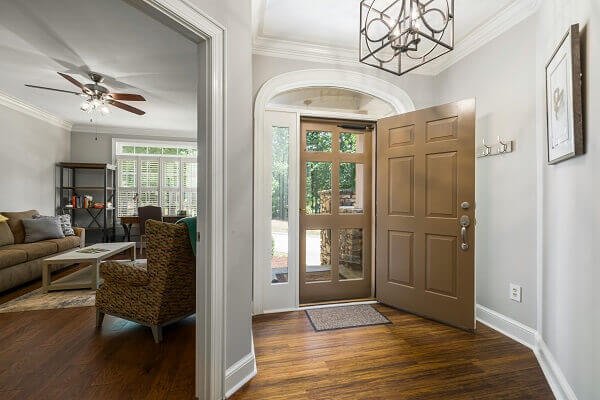
Open layouts for seamless wheelchair maneuverability.
-
Height-adjustable furniture for ease of use.
-
Voice-controlled lighting, curtains, and entertainment systems.

Stair Modifications
-
Stairlifts or residential elevators for multi-level homes.
-
Non-slip stair treads for improved safety.
🛑Stop searching
120 Free Now
Get your free consultation
Fill out the Form and our team will contact you within 24 hours.
You are only steps away from your dream Basement

Designing for Individuals with Autism
Creating a home that supports those with autism involves focusing on sensory-friendly designs and providing calming environments. Key considerations include:
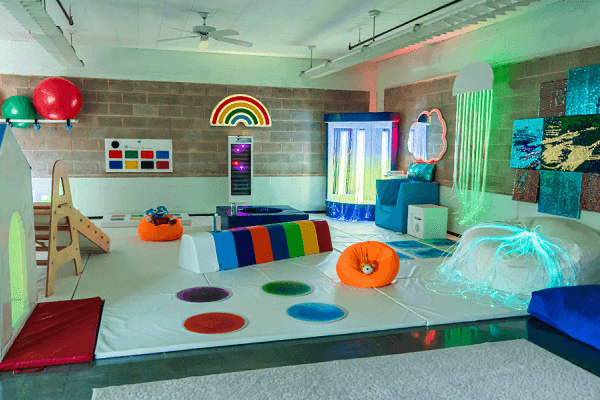
Sensory Rooms
Dedicated spaces with calming colors, soft lighting, and sensory tools.
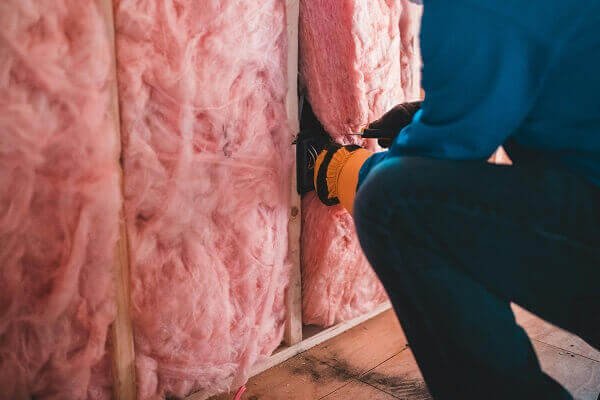
Noise Control
Installing soundproofing materials to minimize external disturbances.
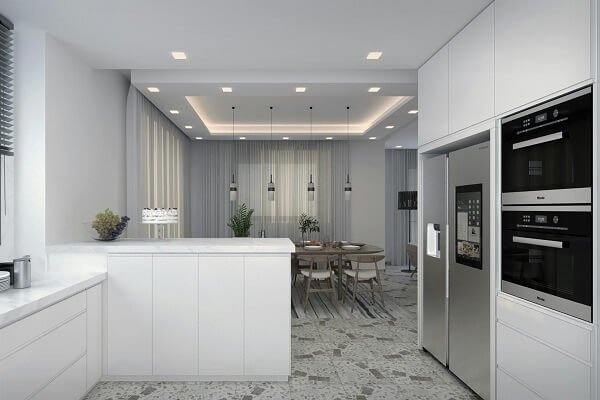
Consistent Layouts
Ensuring clear pathways and uncluttered spaces to reduce confusion.
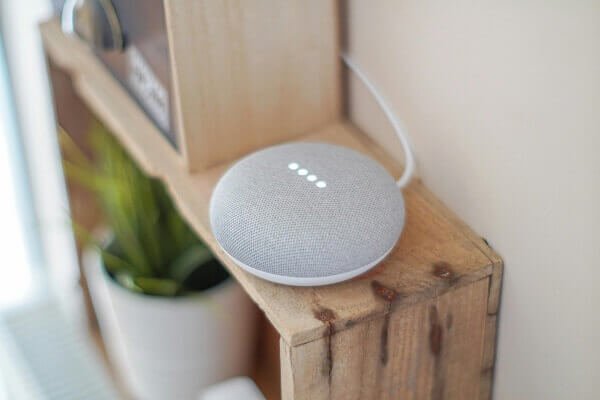
Smart Technology
Using automated systems for lighting and temperature to create predictable routines.
Frequently asked questions
Basement accessibility renovation refers to the process of modifying a lower-level or basement space to make it fully safe and usable for individuals with mobility challenges, disabilities, seniors aging in place, or anyone using a wheelchair, walker, or cane. Common upgrades include installing a residential elevator or stairlift, widening doorways, adding a ramp or platform lift, creating a barrier-free bathroom with a roll-in shower, improving lighting, adding non-slip flooring, and installing grab bars and accessible fixtures.
These renovations transform an underused basement into a fully accessible living area, in-law suite, home office, or entertainment space while ensuring compliance with local building codes and accessibility standards.
Basement accessibility upgrades are one of the smartest investments you can make for your home because they allow loved ones with limited mobility to live independently and safely at home, enable aging in place without having to move to a retirement facility, future-proof your property as physical needs change over time, create additional usable living space (perfect for multigenerational families or rental income), significantly increase resale value, accessible homes are in high demand, and provide peace of mind knowing your home is safe and inclusive for everyone.
Whether you’re planning for today or tomorrow, basement accessibility upgrades deliver both immediate quality-of-life improvements and long-term financial benefits.
Costs for basement accessibility renovations vary widely depending on the scope of work. Simple modifications such as grab bars, lever door handles, improved lighting, and anti-slip flooring can start as low as a few hundred dollars. Mid-range projects like stairlifts or curbless showers typically range from $5,000–$25,000.
The good news: many homeowners qualify for tax credits, rebates, or grants that can offset 20–50% of the cost. We always provide a detailed, no-obligation quote and explore every cost-saving option to fit your budget without compromising safety or quality.
Yes, most basement accessibility renovations require permits, especially when they involve structural changes, electrical work, plumbing, or the installation of elevators, stairlifts, or vertical platform lifts. Permits ensure the work meets local building codes, fire safety regulations, and accessibility standards (such as the Ontario Building Code or AODA where applicable).
We handle the entire permitting process for you — from submitting drawings to scheduling inspections — so you don’t have to worry about paperwork or compliance issues.
Absolutely, today’s accessibility solutions are designed to be both highly functional and aesthetically beautiful.
Modern grab bars come in designer finishes (matte black, brushed nickel, rose gold), ramps can be integrated seamlessly into landscaping or interior architecture, and roll-in showers feature frameless glass, luxury tiles, and spa-like features. Residential elevators now offer sleek cabin designs with glass walls, custom flooring, and automatic doors that complement any home style from contemporary to traditional. Accessibility no longer means “institutional” — it means smart, inclusive design that looks stunning.
In some cases, insurance or government grants may cover a portion of the costs. Programs such as Ontario’s Healthy Homes Renovation Tax Credit or local disability support initiatives may provide financial assistance. We can help guide you through this process.
Getting started is easy! Contact us today to schedule your free consultation. Together, we’ll create a plan to make your space safer, more comfortable, and fully accessible.