
Say goodbye to noise
Basement Soundproofing Services
🛡 Fully Licensed and Insured
⭐ Satisfaction Guaranteed
⚡ Fast & Reliable Service
💬 Free Consultation & Quote
📍 Serving GTA area
Why Basement Soundproofing Matters
Basements often suffer from sound transfer, footsteps from upstairs, furnace noise, laundry machines, or street sounds through windows and vents. Professional basement soundproofing helps you:

Reduce noise from upper floors for better comfort.

Improve privacy in basement apartments or rental units.

Create better acoustics for home theaters or studios.

Increase property value with professional insulation and sound control.
Soundproofing doesn’t just block noise, it enhances the comfort and function of your finished basement.
Top Basement Soundproofing Materials Available in Canada
Each of these materials works well and is readily available in Canada while perfectly matching the Canadian aesthetic for homes. Lets explore the materials used and where they are typically applied in home settings.

sonopan
Ideal for: Walls, floors, ceilings. Description: SONOpan is made in Canada and crafted with quality materials and production standards that support local industries and sustainable practices. Pros: Manufactured from 100% recycled wood and are free from formaldehyde

Acoustic Panels
Suitable for use in home offices as well as entertainment rooms and bedrooms or nurseries. Pros include the variety of colors and textures for customization of appearance as well as the panels ease of installation and removability, a feature particularly convenient, for renters.

Fiberglass Insulation
Ideal for: Walls, ceilings, and floors. Description: Often used in new home builds across Canada, fiberglass insulation is a versatile, highly effective material. It offers good insulation value for Canadian winters as well. Pros: Durable, cost-effective, and improves thermal insulation

Soundproof Drywall
Ideal for: Living rooms, home theaters, bedrooms, offices, and study rooms. Description: Specialized drywall that incorporates soundproofing compounds that absorb sound waves better than traditional drywall. Pros: Ideal for extensive soundproofing projects.

Weatherstripping and Door Seals
Ideal for: Entry doors, interior doors, and windows. Description: Often overlooked, gaps allow sound (and drafts) to enter. Canadian winters make weather-stripping an essential home upgrade, and it doubles as a soundproofing measure. Pros: Inexpensive, quick to apply, and improves energy efficiency.

Mass Loaded Vinyl (MLV)
Ideal for: Walls, floors, ceilings, and multi-purpose rooms like offices and music studios. Description: MLV is a heavy, flexible material that blocks sound waves and is often used in homes requiring higher soundproofing. Pros: Thin, dense, and highly effective at blocking sound without taking up much space.


Ideal for Every Basement Setup
No matter how you use your basement, Basement Soundproofing makes a difference:
Basement Rental Units: Keep tenants and homeowners comfortable with reduced sound transfer between floors.
Home Theaters or Music Studios: Enjoy rich sound quality without disturbing the rest of the house.
Home Offices: Focus without noise from above or outside.
Family Rooms or Play Areas: Maintain peace upstairs while kids enjoy downstairs.
Investing in basement soundproofing is about more than just peace and quiet—it's a smart way to protect your family's health in an increasingly noisy world. Chronic exposure to household noise, such as footsteps from above, home theater sounds, or street traffic seeping in, can contribute to sleep disturbance, elevated stress levels, hypertension, and even cardiovascular issues, as highlighted by the World Health Organization's environmental noise guidelines.
Simple Soundproofing DIY Projects
For those looking to start small, here are easy DIY soundproofing projects that can make a difference:

Add Rugs and Carpets: These help absorb sound, especially if you have hardwood or tile floors.
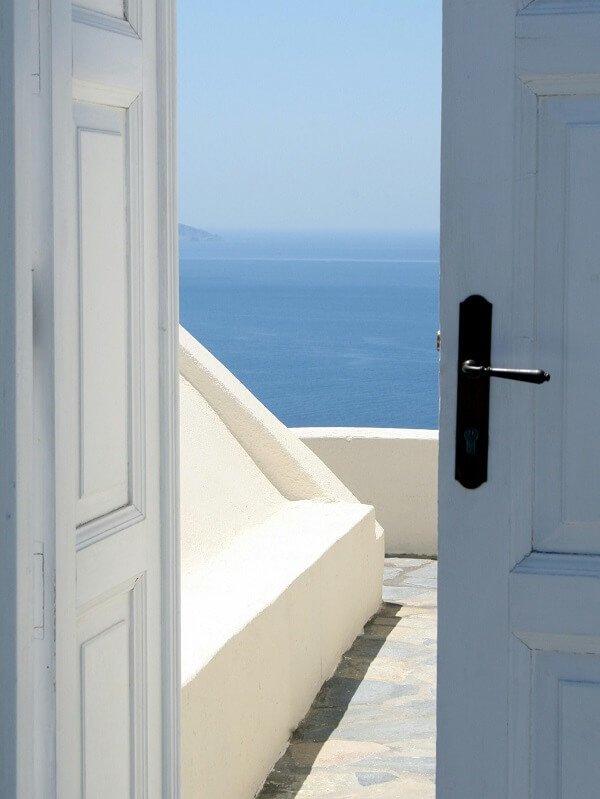
Install Door Sweeps: Affordable and easy to apply, door sweeps block sound from traveling under doors.
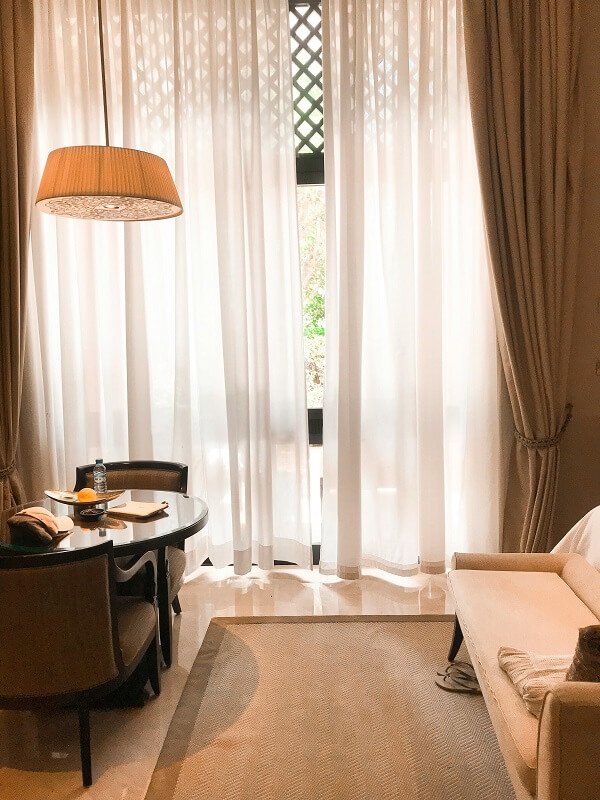
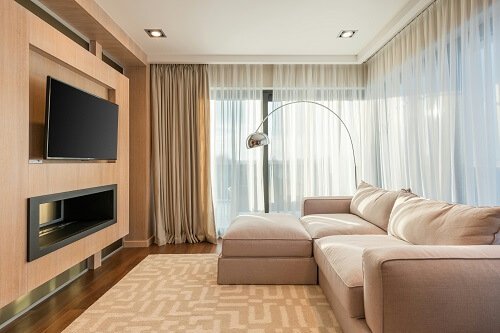
Hang Heavy Curtains: These help with external noises from windows, especially in busy neighborhoods.
Frequently asked questions
Basement soundproofing is the process of reducing or blocking unwanted noise from entering or leaving your basement. In Toronto, many homeowners convert basements into home theaters, recording studios, rental units, or kids’ playrooms. Proper basement soundproofing prevents noise from upstairs (footsteps, TV, conversations) from disturbing the basement and stops basement noise (drums, home gym, loud movies) from bothering the rest of the house or neighbors.
The cost of a soundproof basement in Toronto typically ranges from $25–$65 per square foot depending on the level of soundproofing required and the methods used. Basic basement noise reduction in Toronto starts around $3,000–$8,000, while high-end professional installations (home theater or legal secondary suite) can range from $12,000–$30,000+.
DIY is possible for basic basement noise reduction in Toronto, especially adding mass and sealing gaps. However, for serious soundproof basement Toronto results (50+ STC), professional installation is strongly recommended because improper decoupling or air gaps can reduce performance by 50% or more.
Pure soundproofing, basement noise reduction Toronto, (adding drywall, insulation, resilient channels) usually does NOT require a permit. However, if you’re creating a legal secondary suite/apartment, moving plumbing/HVAC, or adding egress windows, permits are required in Toronto and most GTA municipalities.
In most Toronto homes, soundproofing basement ceiling Toronto, alone solves 70–80% of the noise problem (especially footfall from above). Walls become critical if you have loud basement activities (band practice, home gym) or side neighbors in semi-detached/row houses.